
Immigration Law News: October 1, 2026
Four developments from the past two weeks that may matter to green card applicants, employers, and families.

Rule change · USCIS
The new public charge rule is in effect for green card applications
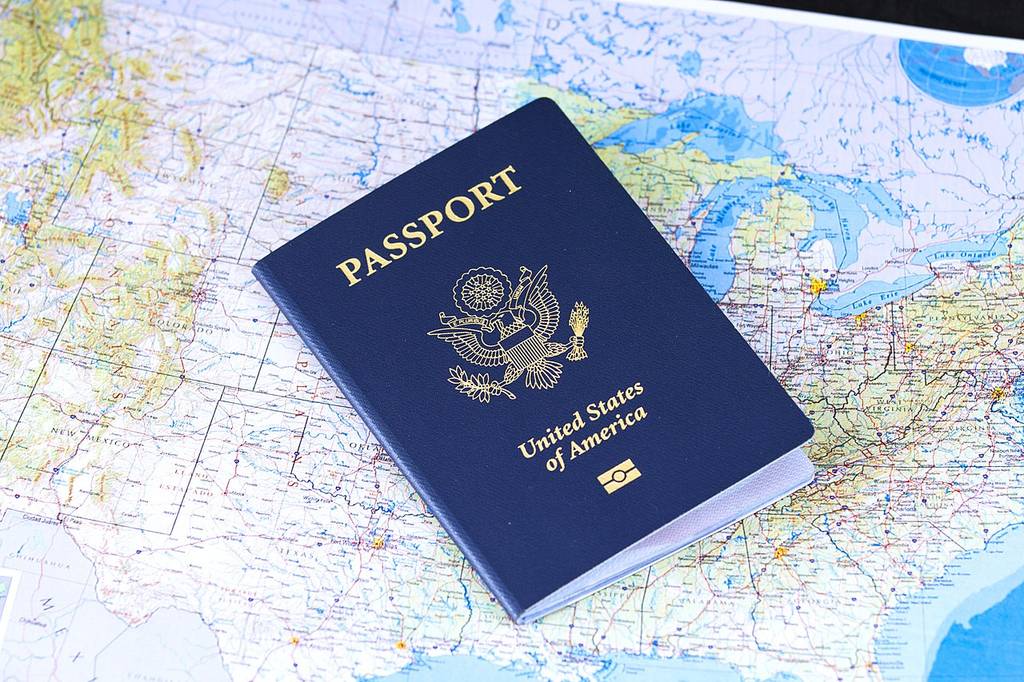
A Department of Homeland Security final rule published July 20, 2026 took effect on September 18. It removes the 2022 rule’s limits on which public benefits officers may consider and gives officers broader discretion to weigh “all case-specific factors and circumstances” when deciding whether an applicant is likely to become a public charge. It applies to adjustment of status applications postmarked or submitted on or after September 18. Benefits received before that date are evaluated under the 2022 rule. Groups the law already exempts, such as refugees and asylees, remain exempt.
Who it may affect: family-based and employment-based green card applicants filing now, especially households that have used any public benefits.
Source: Federal Register, “Public Charge Ground of Inadmissibility,” 91 FR 45324. Check the current edition of Form I-485 at uscis.gov before filing.
Photo: HellcatSRT, CC0, via Wikimedia Commons.
Visa Bulletin · State Department
October Visa Bulletin opens the new fiscal year with employment-based retrogression
The October 2026 Visa Bulletin is the first of fiscal year 2027. Final action dates for EB-2 applicants from most countries, including Mexico, moved back to January 1, 2025, and EB-3 dates for most countries moved back to May 15, 2024. The State Department says the retrogression is needed to keep visa use within the year’s limits. India’s EB-2 category reopened with a November 1, 2013 date, and China’s EB-2 date advanced to October 1, 2021. USCIS says employment-based adjustment applicants must use the Dates for Filing chart this month.
Who it may affect: workers and employers with pending PERM or I-140 cases, and anyone whose priority date was close to current last month.
Sources: Visa Bulletin for October 2026 (travel.state.gov); USCIS adjustment of status filing charts (uscis.gov).
Photo: Cytis, CC0, via Wikimedia Commons.
Enforcement · ICE
ICE plans to hire 5,000 more employees by the end of 2026
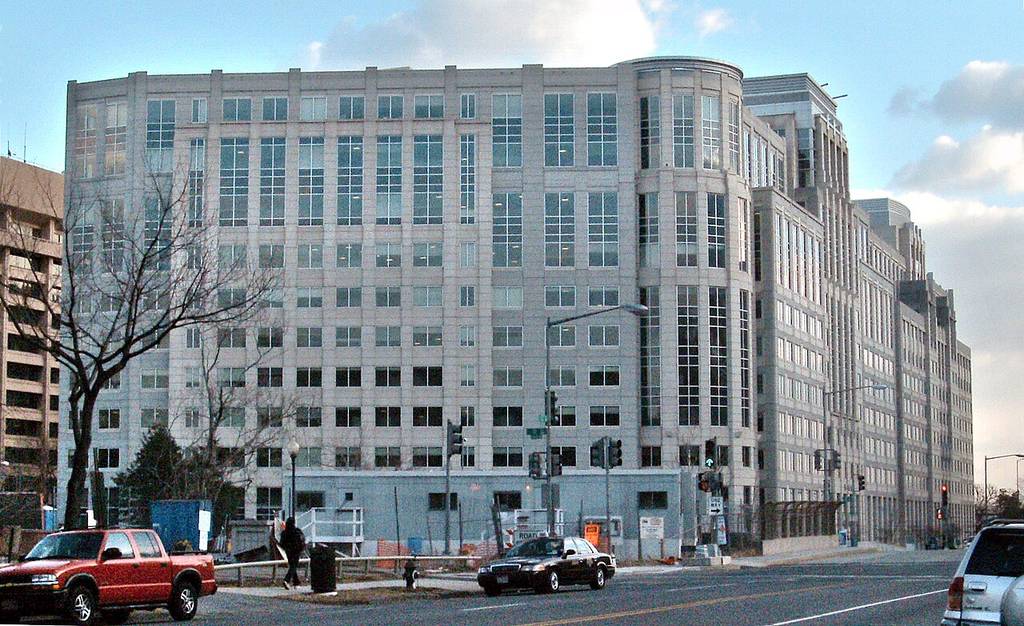
The New York Times reported on September 29 that Immigration and Customs Enforcement plans to add about 5,000 staff by year’s end, mostly deportation officers who handle arrests and case management. ICE had about 29,000 employees as of July. DHS said it will apply stricter hiring standards than in last year’s expansion.
Who it may affect: people with final removal orders, pending cases in immigration court, or no current status. If you have a case in immigration court, keep your address current with the court and attend every hearing.
Source: The New York Times, via GV Wire, Sept. 29, 2026.
Photo: Ser Amantio di Nicolao, CC BY 3.0, via Wikimedia Commons, cropped.
Litigation · Citizenship
New lawsuit challenges the second birthright citizenship executive order
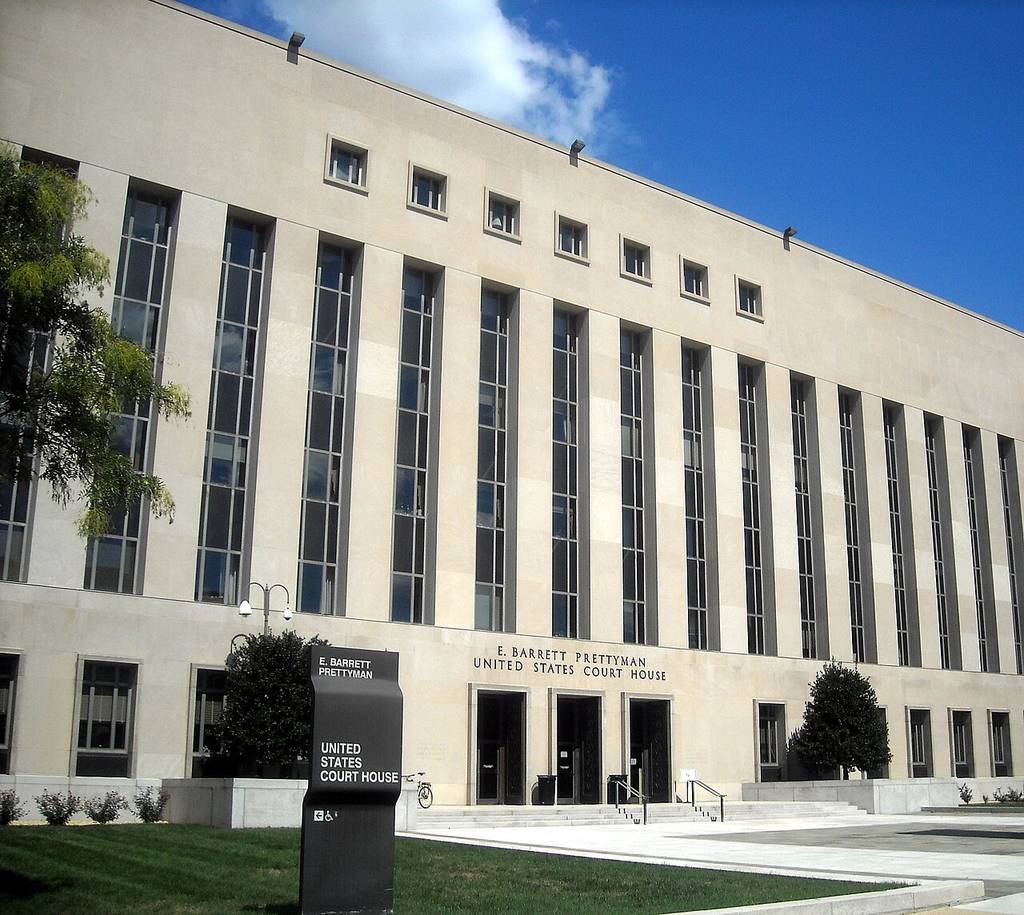
On September 28, a coalition including the ACLU and the NAACP Legal Defense Fund filed Nathan v. Trump in federal district court in Washington, D.C., challenging a new executive order on birthright citizenship. The suit follows the Supreme Court’s June 2026 decision in Trump v. Barbara, which upheld birthright citizenship under the Fourteenth Amendment. The case has just been filed and no court has ruled on it yet.
Who it may affect: parents of children born in the United States, particularly parents without permanent status.
Source: ACLU press release, Sept. 28, 2026.
Photo: AgnosticPreachersKid, public domain, via Wikimedia Commons.