
Immigration Law News: October 1, 2026Noticias de derecho migratorio: 1 de octubre de 2026
Four developments from the past two weeks that may matter to green card applicants, employers, and families.
Cuatro novedades de las últimas dos semanas que pueden importar a solicitantes de residencia permanente, empleadores y familias.

Rule change · USCIS
The new public charge rule is in effect for green card applications
A Department of Homeland Security final rule published July 20, 2026 took effect on September 18. It removes the 2022 rule’s limits on which public benefits officers may consider and gives officers broader discretion to weigh “all case-specific factors and circumstances” when deciding whether an applicant is likely to become a public charge. It applies to adjustment of status applications postmarked or submitted on or after September 18. Benefits received before that date are evaluated under the 2022 rule. Groups the law already exempts, such as refugees and asylees, remain exempt.
Who it may affect: family-based and employment-based green card applicants filing now, especially households that have used any public benefits.
Source: Federal Register, “Public Charge Ground of Inadmissibility,” 91 FR 45324. Check the current edition of Form I-485 at uscis.gov before filing.
Photo: HellcatSRT, CC0, via Wikimedia Commons.
Cambio de reglamento · USCIS
La nueva regla de carga pública ya está vigente para las solicitudes de residencia permanente
Una regla final del Departamento de Seguridad Nacional publicada el 20 de julio de 2026 entró en vigor el 18 de septiembre. Elimina los límites de la regla de 2022 sobre qué beneficios públicos pueden considerar los oficiales y les da más discreción para evaluar “todos los factores y circunstancias de cada caso” al decidir si es probable que un solicitante se convierta en una carga pública. Se aplica a las solicitudes de ajuste de estatus con matasellos o presentadas a partir del 18 de septiembre. Los beneficios recibidos antes de esa fecha se evalúan según la regla de 2022. Los grupos que la ley ya exime, como los refugiados y asilados, siguen exentos.
A quién puede afectar: solicitantes de residencia permanente por vía familiar o de empleo que presentan ahora, en especial hogares que hayan usado algún beneficio público.
Fuente: Registro Federal, “Public Charge Ground of Inadmissibility” (causal de inadmisibilidad por carga pública), 91 FR 45324. Consulte la edición vigente del Formulario I-485 en uscis.gov antes de presentarlo.
Foto: HellcatSRT, CC0, vía Wikimedia Commons.

Visa Bulletin · State Department
October Visa Bulletin opens the new fiscal year with employment-based retrogression
The October 2026 Visa Bulletin is the first of fiscal year 2027. Final action dates for EB-2 applicants from most countries, including Mexico, moved back to January 1, 2025, and EB-3 dates for most countries moved back to May 15, 2024. The State Department says the retrogression is needed to keep visa use within the year’s limits. India’s EB-2 category reopened with a November 1, 2013 date, and China’s EB-2 date advanced to October 1, 2021. USCIS says employment-based adjustment applicants must use the Dates for Filing chart this month.
Who it may affect: workers and employers with pending PERM or I-140 cases, and anyone whose priority date was close to current last month.
Sources: Visa Bulletin for October 2026 (travel.state.gov); USCIS adjustment of status filing charts (uscis.gov).
Photo: Cytis, CC0, via Wikimedia Commons.
Boletín de Visas · Departamento de Estado
El Boletín de Visas de octubre abre el nuevo año fiscal con retrocesos en las categorías de empleo
El Boletín de Visas de octubre de 2026 es el primero del año fiscal 2027. Las fechas de acción final de EB-2 para la mayoría de los países, incluido México, retrocedieron al 1 de enero de 2025, y las de EB-3 para la mayoría de los países retrocedieron al 15 de mayo de 2024. El Departamento de Estado dice que el retroceso es necesario para mantener el uso de visas dentro de los límites del año. La categoría EB-2 de India se reabrió con fecha del 1 de noviembre de 2013, y la fecha EB-2 de China avanzó al 1 de octubre de 2021. USCIS indica que este mes los solicitantes de ajuste de estatus por empleo deben usar la tabla de Fechas para Presentar (Dates for Filing).
A quién puede afectar: trabajadores y empleadores con casos PERM o I-140 pendientes, y cualquier persona cuya fecha de prioridad estaba cerca de estar vigente el mes pasado.
Fuentes: Boletín de Visas de octubre de 2026 (travel.state.gov); tablas de USCIS para el ajuste de estatus (uscis.gov).
Foto: Cytis, CC0, vía Wikimedia Commons.
Enforcement · ICE
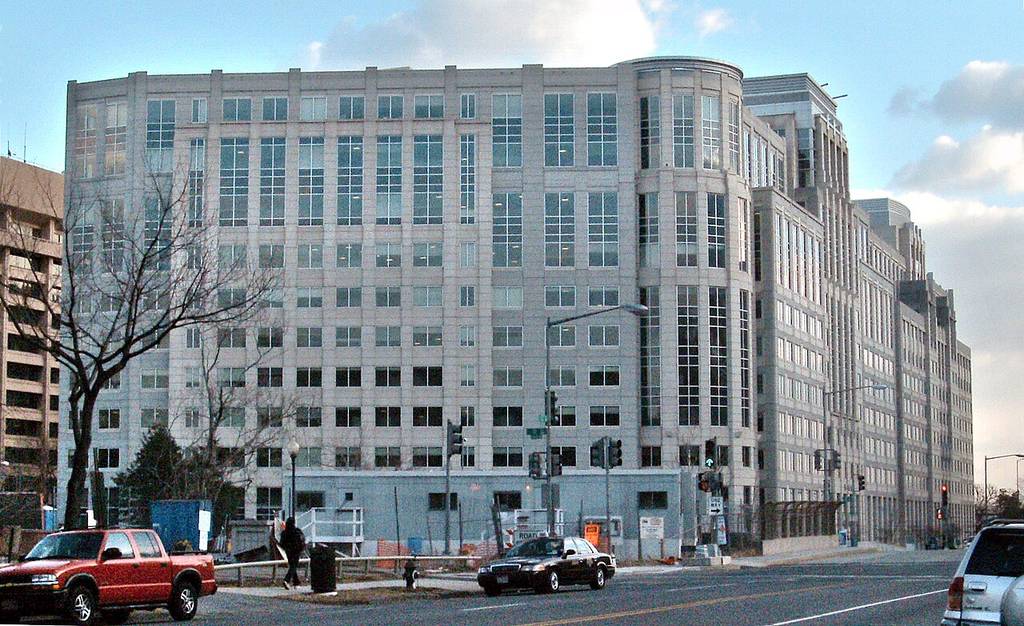
ICE plans to hire 5,000 more employees by the end of 2026
The New York Times reported on September 29 that Immigration and Customs Enforcement plans to add about 5,000 staff by year’s end, mostly deportation officers who handle arrests and case management. ICE had about 29,000 employees as of July. DHS said it will apply stricter hiring standards than in last year’s expansion.
Who it may affect: people with final removal orders, pending cases in immigration court, or no current status. If you have a case in immigration court, keep your address current with the court and attend every hearing.
Source: The New York Times, via GV Wire, Sept. 29, 2026.
Photo: Ser Amantio di Nicolao, CC BY 3.0, via Wikimedia Commons, cropped.
Control migratorio · ICE
ICE planea contratar 5,000 empleados más antes de que termine 2026
The New York Times informó el 29 de septiembre que el Servicio de Inmigración y Control de Aduanas (ICE) planea sumar unos 5,000 empleados antes de fin de año, en su mayoría oficiales de deportación que se encargan de arrestos y del manejo de casos. ICE tenía unos 29,000 empleados en julio. El DHS dijo que aplicará estándares de contratación más estrictos que en la expansión del año pasado.
A quién puede afectar: personas con órdenes finales de deportación, casos pendientes en la corte de inmigración o sin estatus actual. Si tiene un caso en la corte de inmigración, mantenga su dirección actualizada ante la corte y asista a todas sus audiencias.
Fuente: The New York Times, vía GV Wire, 29 de sept. de 2026.
Foto: Ser Amantio di Nicolao, CC BY 3.0, vía Wikimedia Commons, recortada.
Litigation · Citizenship
New lawsuit challenges the second birthright citizenship executive order
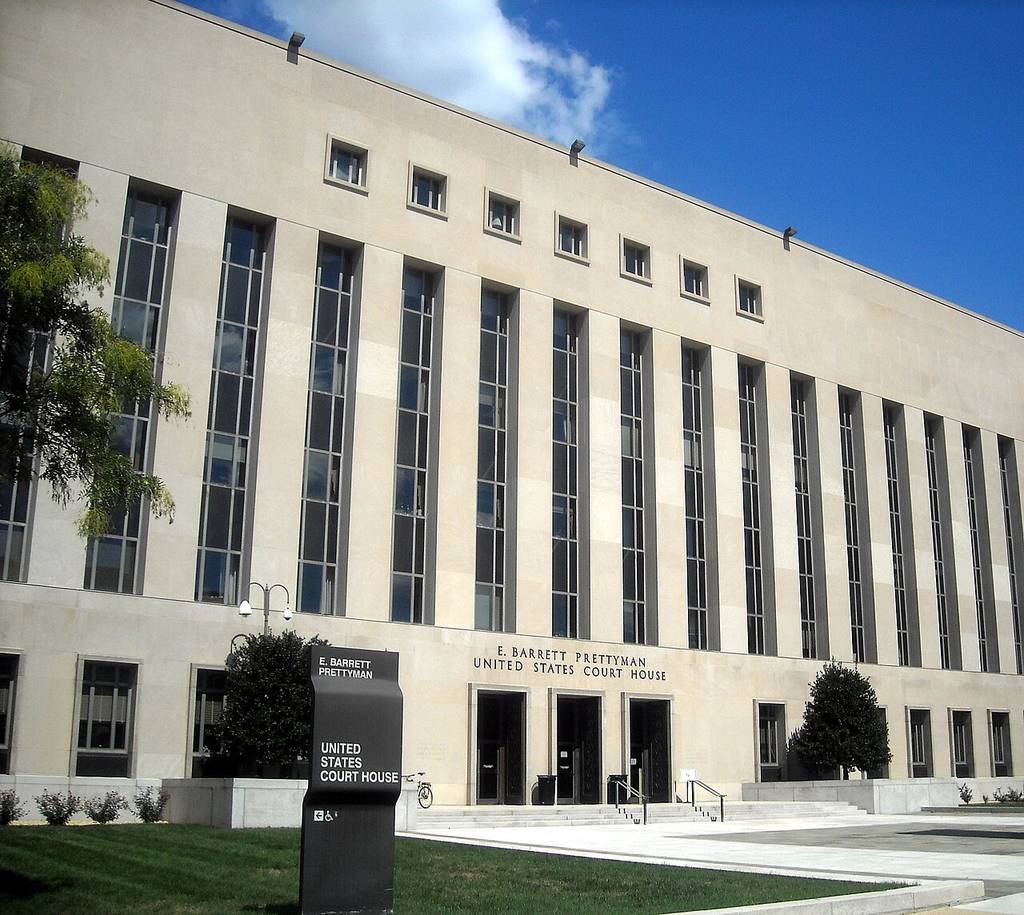
On September 28, a coalition including the ACLU and the NAACP Legal Defense Fund filed Nathan v. Trump in federal district court in Washington, D.C., challenging a new executive order on birthright citizenship. The suit follows the Supreme Court’s June 2026 decision in Trump v. Barbara, which upheld birthright citizenship under the Fourteenth Amendment. The case has just been filed and no court has ruled on it yet.
Who it may affect: parents of children born in the United States, particularly parents without permanent status.
Source: ACLU press release, Sept. 28, 2026.
Photo: AgnosticPreachersKid, public domain, via Wikimedia Commons.
Litigio · Ciudadanía
Una nueva demanda impugna la segunda orden ejecutiva sobre la ciudadanía por nacimiento
El 28 de septiembre, una coalición que incluye a la ACLU y al NAACP Legal Defense Fund presentó Nathan v. Trump en la corte federal de distrito en Washington, D.C., para impugnar una nueva orden ejecutiva sobre la ciudadanía por nacimiento. La demanda llega después de la decisión de la Corte Suprema de junio de 2026 en Trump v. Barbara, que confirmó la ciudadanía por nacimiento bajo la Decimocuarta Enmienda. El caso acaba de presentarse y ninguna corte ha decidido todavía.
A quién puede afectar: padres de niños nacidos en Estados Unidos, en particular padres sin residencia permanente.
Fuente: Comunicado de prensa de la ACLU, 28 de sept. de 2026.
Foto: AgnosticPreachersKid, dominio público, vía Wikimedia Commons.